Patria Cocina Order Online
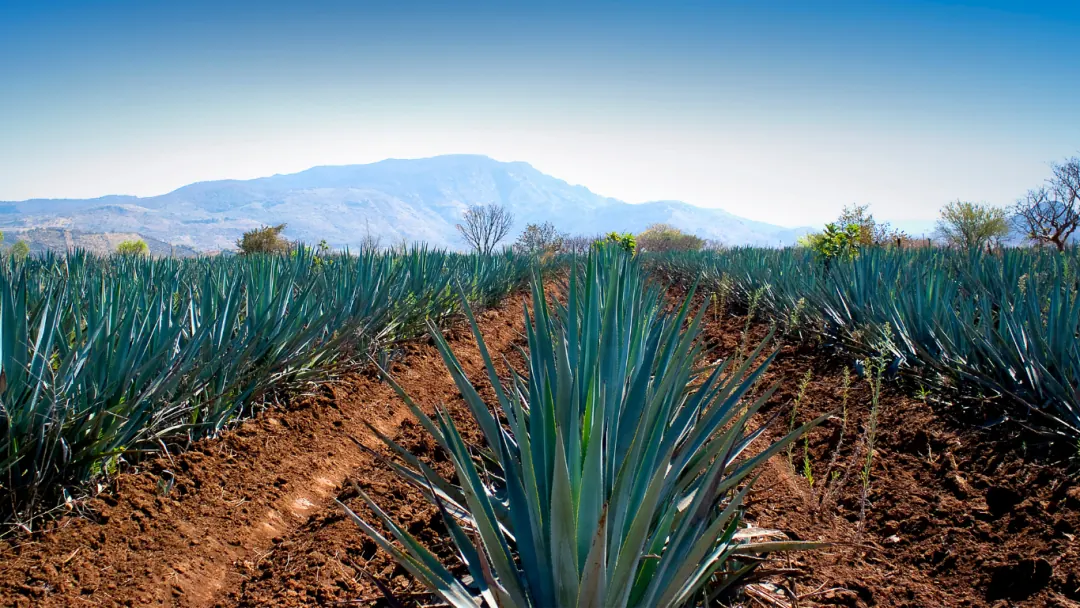
Rows of blue agave in an agave field

Tequila, mezcal, raicilla, bacanora and sotol

The Agave Map

Patria Cocina is a celebration of agave spirits. This is our guide to the whole spectrum: where each spirit comes from, how it’s made, and how to taste it.

Why we care

A jimador’s shelf

Chef Octavio Aguirre worked the agave fields of Jalisco as a jimador before he ever cooked professionally. That respect for the plant shapes the bar: family-owned, producer-owned and small-batch spirits, no celebrity labels, and dozens of mezcals from several regions of Mexico. Come in curious. This page is where to start.

The map

Where agave spirits come from

Every agave spirit carries its place: the plant that grows there, the way people cook it, the soil and the altitude. Pick a spirit to see where it lives.

AguascalientesBaja CaliforniaBaja California SurCampecheChihuahuaChiapasCoahuilaColimaMexicoDurangoGuerreroGuanajuatoHidalgoJaliscoState of MexicoMichoacánMorelosNayaritNuevo LeónOaxacaPueblaQuerétaroQuintana RooSinaloaSan Luis PotosíSonoraTabascoTamaulipasTlaxcalaVeracruzYucatánZacatecasLos Altosthe highlandsEl Vallethe Tequila valleyOaxacathe heart of mezcalZacatecasnorthern mezcalSan Luis Potosínorthern mezcalSierra and coastMascota to Puerto VallartaSonorathe northwestChihuahuathe high desert

Tequila teh-KEE-lah

The plant
One agave only: blue agave (Agave tequilana Weber, azul variety).
Where
Jalisco, plus designated municipalities in Guanajuato, Michoacán, Nayarit and Tamaulipas. Two parts of Jalisco matter most: Los Altos, the red-soil highlands around Arandas, Tepatitlán and Atotonilco El Alto, and El Valle, the volcanic lowlands around the town of Tequila.
How it’s made
The piñas are steam-cooked in brick ovens (hornos) or pressure cookers (autoclaves), crushed by a roller mill or a stone tahona, fermented, and distilled at least twice.
In the glass
Highland tequilas are often described as sweeter and more floral; valley tequilas as earthier, peppery and herbal. Tendencies, not rules.
On the label
Regulated by the Consejo Regulador del Tequila (CRT). Look for “100% de agave” and a NOM number on the label.

Pouring now

  • From the HighlandsTequila Tierra de Ensueño blanco, Ensueño reposado, Ocho Añejo
  • Corazón AlteñoArtenom 1579, Volans Reposado, Tesoro Añejo
  • El Valle de TequilaAtanasio Blanco, Lágrimas del Valle reposado, Cazcanes Añejo

Flights rotate. See the drink menu
Mezcal mes-KAHL

The plant
Dozens of agave species can become mezcal. Espadín is the most common; wild agaves such as tobalá and tepeztate can take many years, even decades, to mature.
Where
Oaxaca above all, within a denomination of origin that also covers states including Guerrero, Durango, San Luis Potosí, Zacatecas, Guanajuato, Tamaulipas, Michoacán and Puebla.
How it’s made
The piñas roast for days in earthen pits lined with hot stones, which is where mezcal’s smoke comes from. They are crushed by a tahona or by hand with wooden mallets, fermented, and distilled in copper or clay pots.
In the glass
Smoke is the signature, but agave species, soil and the maker shape everything: fruity, herbal, mineral, earthy.
On the label
Labels say Mezcal, Mezcal Artesanal or Mezcal Ancestral, from the most modern process to the most traditional. Ancestral means pit-roasted, hand-crushed and distilled in clay.

Pouring now

  • Oaxaca Mi AmorRey Campero espadín, Vago Elote, Real Minero Largo
  • Ruta del MagueyAguerrido Antonio, Derrumbes Zacatecas, Derrumbes San Luis Potosí

Flights rotate. See the drink menu

Raicilla rye-SEE-yah

The plant
Mountain and coastal agaves, such as Agave maximiliana and Agave inaequidens.
Where
The sierra and coast of western Jalisco, around Mascota and Puerto Vallarta, with a small area of Nayarit.
How it’s made
Small batches from small producers. Cooking methods vary from maker to maker, and many raicillas taste fruity and wild rather than smoky.
In the glass
Often described as tropical, funky and green. No two producers taste alike.
On the label
Raicilla earned its own denomination of origin in 2019.

Ask the bartender

Raicilla comes and goes with what’s available. Ask what’s pouring tonight.

Bacanora bah-kah-NOH-rah

The plant
Agave angustifolia, here called agave pacifica: the wild cousin of espadín.
Where
Sonora, in Mexico’s northwest.
How it’s made
Traditionally pit-roasted, fermented and distilled in small batches.
In the glass
Often described as earthy and savory, with a lighter smoke than many mezcals.
On the label
Made in secret for decades: producing it was illegal until 1992. Its denomination of origin followed in 2000.

Ask the bartender

Bacanora comes and goes with what’s available. Ask what’s pouring tonight.

Sotol soh-TOHL

The plant
Not technically an agave. Sotol comes from the desert spoon (Dasylirion), a desert plant long poured alongside agave spirits.
Where
Chihuahua, Coahuila and Durango.
How it’s made
The hearts are roasted, fermented and distilled, much like mezcal.
In the glass
Often grassy, herbal and mineral: the desert in a glass.
On the label
Denomination of origin since 2002.

Ask the bartender

Sotol comes and goes with what’s available. Ask what’s pouring tonight.

Field to copita

From the jimador’s field to your glass, in eight steps

  1. 01

    The plant El agave

    Agave is a succulent, not a cactus. Blue agave grows six to eight years or more before it is ready; some wild agaves take two decades or longer.

  2. 02

    The harvest La jima

    The jimador cuts away the leaves with a coa, a flat round blade on a long handle, leaving the heart: the piña. A mature piña can weigh well over 100 pounds. It is the work Chef Octavio Aguirre did in Jalisco before he ever cooked professionally.

  3. 03

    Cooking La cocción

    Heat turns the piña’s starches into sugar.

    Tequila

    Steamed in brick ovens (hornos) or autoclaves.

    Mezcal

    Roasted for days in earthen pits with hot stones: the smoke.

  4. 04

    Crushing La molienda

    The cooked agave is crushed to free its sweet juice.

    Tequila

    A roller mill, or a stone tahona.

    Mezcal

    A tahona pulled in a circle, or wooden mallets by hand.

  5. 05

    Fermenting La fermentación

    The juice, called mosto, ferments for days with natural or added yeasts, in steel, wood or even stone.

  6. 06

    Distilling La destilación

    At least twice. The first run makes a low-proof ordinario; the second brings it to strength.

    Tequila

    Copper or steel stills.

    Mezcal

    Copper or clay pots.

  7. 07

    Resting El reposo

    Some spirits are bottled young; others rest in oak, which adds color, vanilla and spice. The label tells you how long.

  8. 08

    The bottle La botella

    “100% de agave” means every sugar came from agave. The NOM number tells you which distillery made it.

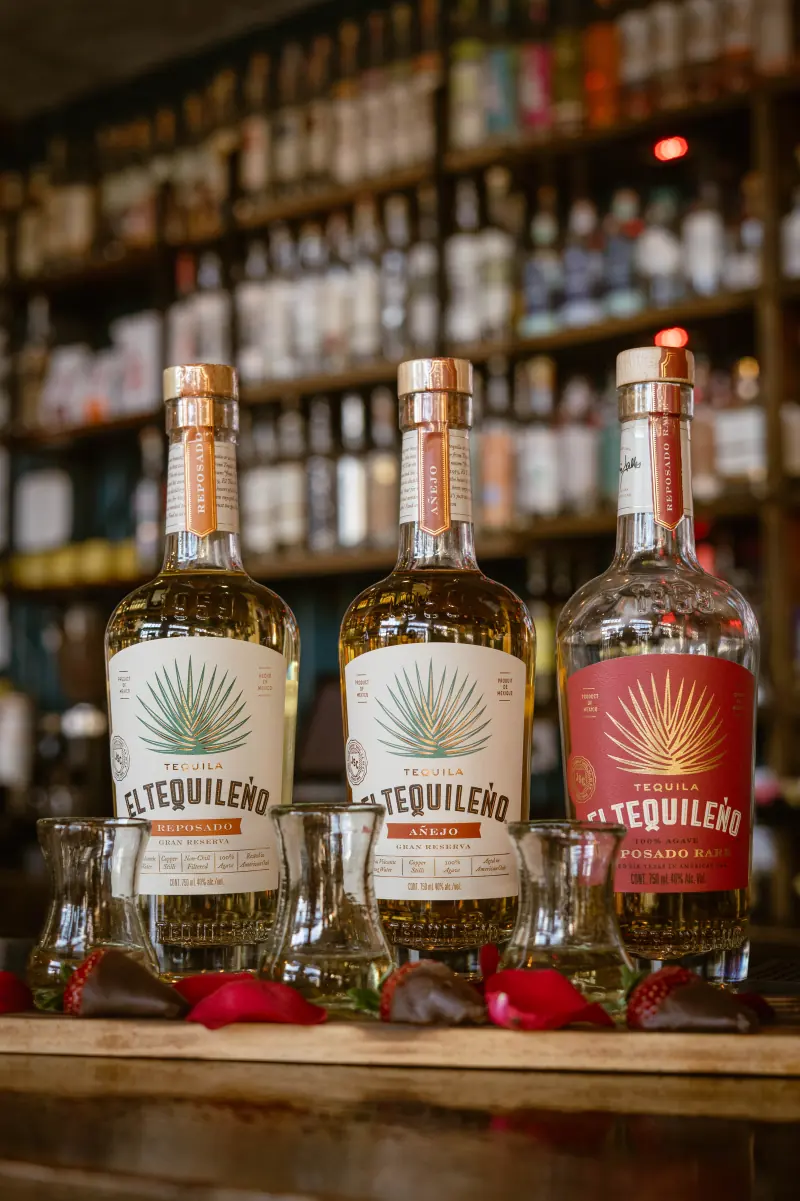
Tequileño bottles at the bar

Reading the bottle

Blanco, reposado, añejo: what they mean

The words on a tequila label tell you how long it rested in oak. The longer it rests, the more color and flavor it takes from the barrel.

Blanco

Unaged, or rested under 2 months

The clearest expression of the cooked agave: bright, peppery, herbal.

Reposado

2 months to under 1 year in oak

Rested. Softer, with light vanilla and spice from the barrel.

Añejo

1 to 3 years in barrels up to 600 liters

Aged. Richer and darker, with caramel and dried fruit.

Extra Añejo

3 years or more

Deep and complex, closer to a sipping whiskey or cognac.

Joven

A blend

Usually blanco blended with aged tequila. Read the label closely.

Cristalino

Aged, then filtered clear

Not an official class: an aged tequila filtered to remove color.

How to taste

Slow down and taste the place

Good agave spirits don’t need salt and lime. A small glass, room temperature and a little patience tell you everything.

  1. Pick the glass

    A small copita or a narrow tasting glass concentrates the aroma. Serve at room temperature.

  2. Look

    Blancos should be clear. Color in an aged spirit comes from the barrel.

  3. Nose gently

    Keep your mouth slightly open and don’t push your nose into the glass. High proof can mask the aroma.

  4. Sip small

    Let the first small sip cover your tongue. The second sip tells you more than the first.

  5. Compare

    Taste side by side to see what region, agave and barrel do. That’s what our flights are for.

Glossary

Say it like a jimador

Tap a word to flip it.

Questions

What guests ask at the bar

What's the difference between tequila and mezcal?

All tequila is a type of agave spirit, but not every agave spirit is tequila. Tequila is made only from blue agave in Jalisco and a few designated areas, usually steam-cooked. Mezcal can be made from many agave species, mostly in Oaxaca, and is traditionally roasted in earthen pits, which gives it smoke.

Is sotol made from agave?

Not technically. Sotol comes from the desert spoon (Dasylirion), a desert plant that has long been grouped and poured alongside agave spirits.

What is raicilla?

An agave spirit from the sierra and coast of western Jalisco, made in small batches from mountain and coastal agaves. It has had its own denomination of origin since 2019.

Does Patria Cocina serve raicilla, bacanora and sotol?

They come and go with what's available, so ask the bartender what's pouring tonight.

What does “100% de agave” mean?

Every sugar in the bottle came from agave. Without it, a tequila can be a mixto, made with at least 51% agave sugars and the rest from other sources.

How should I taste tequila or mezcal?

Slowly, at room temperature, from a small glass. Good agave spirits don't need salt and lime. Taste side by side, as in our flights, to see what region and agave do.

Taste it with the people who make it

Once a month, the Agave & Mole Club brings a guest tequila house to Atlanta for a guided tasting, every pour paired with a different mole. Membership is free.

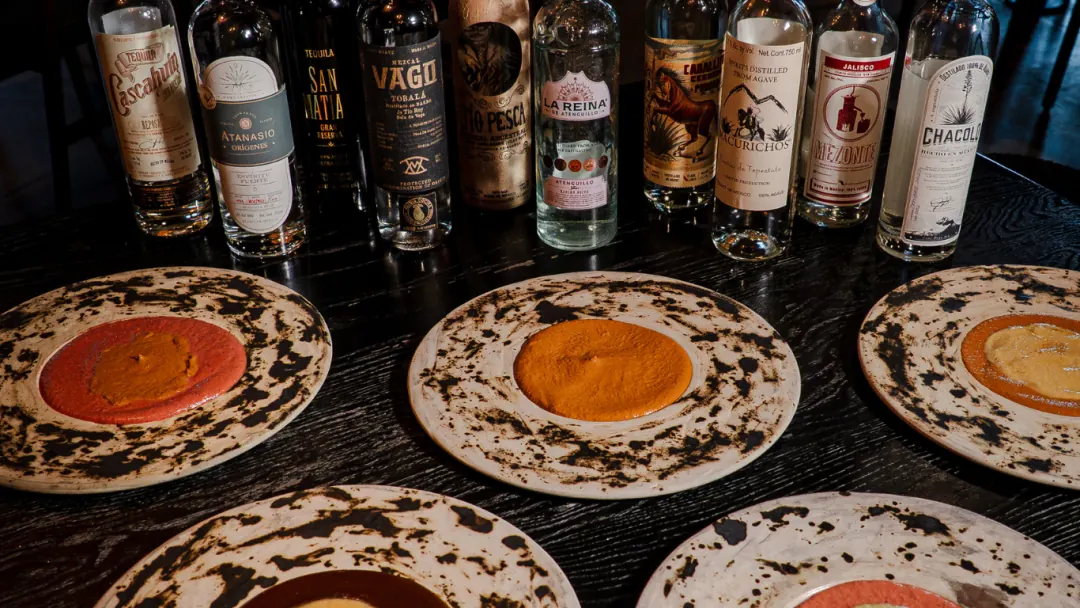
A flight of moles in front of tequila bottles